
The “Eight Imperial Handicrafts of Beijing”
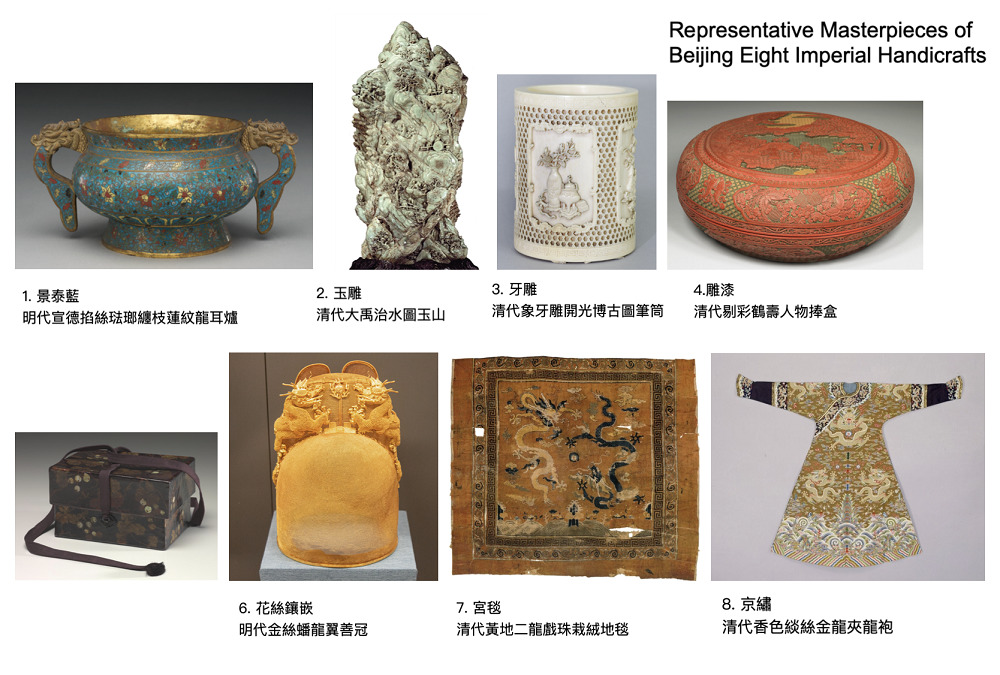
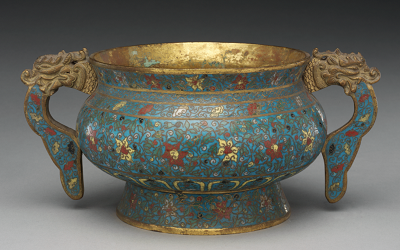
1.Cloisonné (景泰藍): Scientifically known as copper-bodied filigree enamelware, this craft involves shaping flat copper wires into intricate patterns on a copper base. These cloisons (partitions) are then filled with enamel glazes, fired, polished, and often gilded. The name ‘Jingtai Blue’ derives from its prevalence during the Ming Dynasty’s Jingtai reign (1450-1456 AD) and the predominant use of blue enamel at that time.
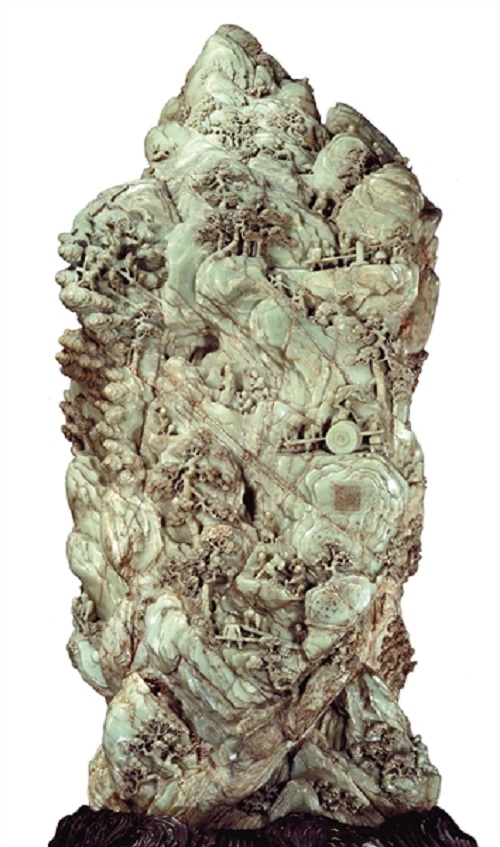
2. Jade Carving (玉雕): Beijing’s jade carving tradition boasts a venerable history, celebrated for its discerning material selection, ingenious designs, and masterful carving techniques. It particularly excels in ‘qiaose’ (俏色)– cleverly utilising the natural colour variations within the jade to create a dignified and elegant imperial aesthetic.
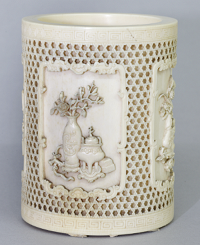
3.Ivory Carving (牙雕): Chinese ivory carving has a long and storied past. During the Ming and Qing dynasties, specialised workshops within the imperial Household Department (造辦處) produced ivory artefacts of exceptional skill and intricate designs. It is important to note that contemporary practice, driven by ethical and conservation considerations, has largely shifted to alternative materials such as bone or sustainable composites, while preserving the traditional carving methodologies.
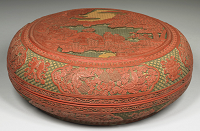
4.Carved Lacquer (雕漆): This refined technique involves meticulously building up numerous layers of natural lacquer onto a substrate. Once hardened, these accumulated layers are then intricately carved with specialised tools to reveal exquisite patterns. The resultant pieces are characterised by their profound colour and delicate, detailed carving.
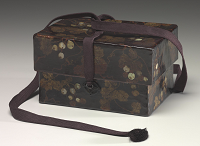
5.Gold Lacquer Inlaid (金漆鑲嵌): Primarily applied to wooden lacquerware, this art form integrates a variety of lacquer techniques, including lacquering (髹漆), gold painting (描金), colour drawing (彩繪), and various inlay methods. The final products are sumptuously decorated and exude imperial grandeur.
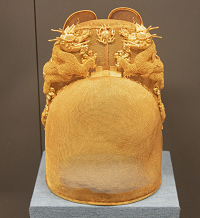
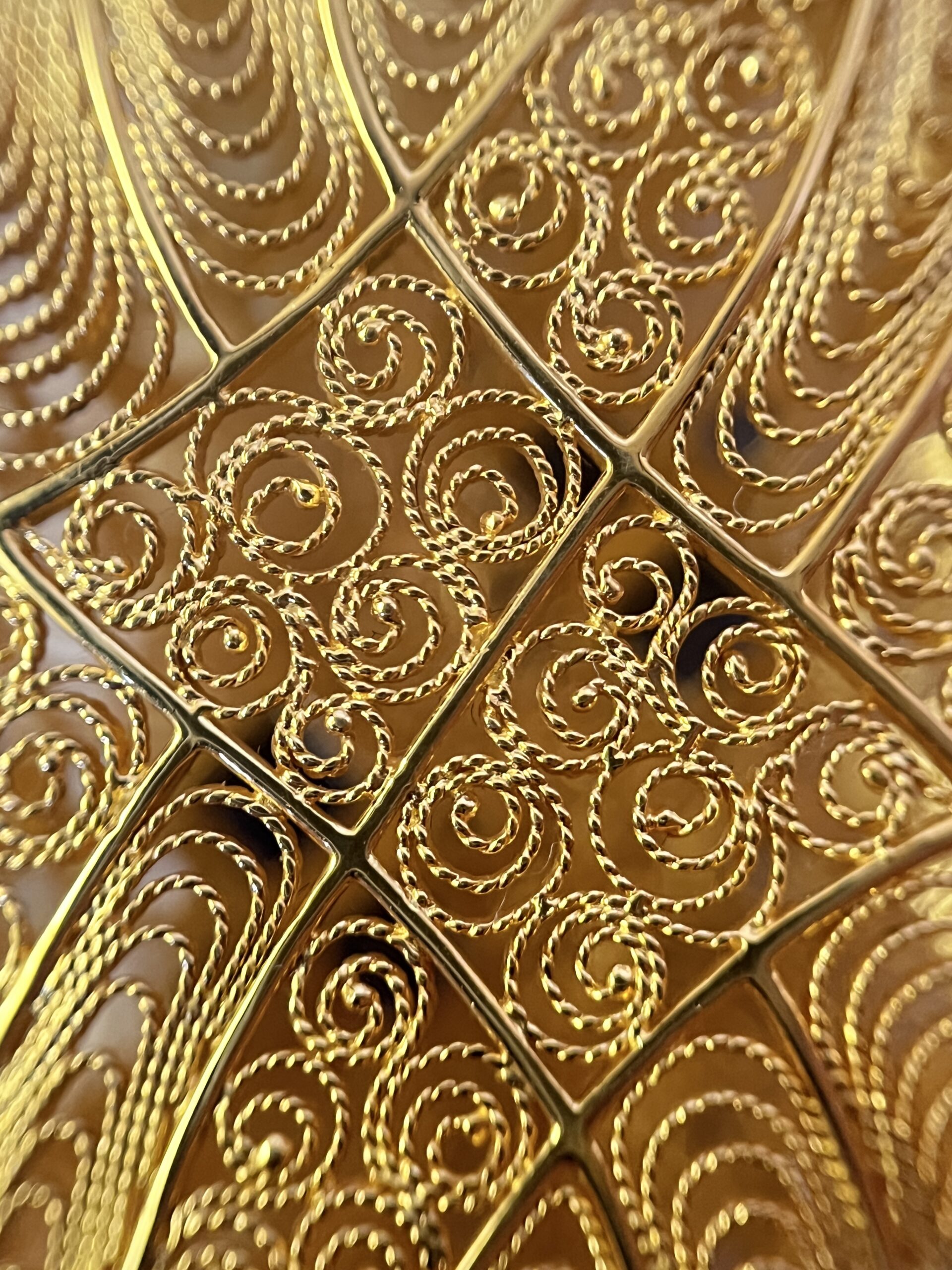
6.Filigree Inlay Metal Art (花絲鑲嵌): Also known as fine gold craftsmanship, this involves drawing precious metals like gold and silver into extremely thin wires. These wires are then artfully bent and woven into diverse forms, often adorned with inlaid gemstones and kingfisher feathers (翠羽). This craft was frequently employed in the creation of imperial adornments and accessories.
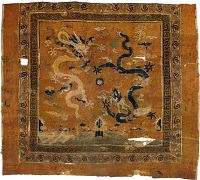
7.Palace Carpet (宮毯): Also referred to as ‘Guanfang Tan’ (官坊毯), this is a unique style of hand-woven carpet exclusive to the Beijing region. Flourishing since the Yuan Dynasty, these carpets are distinguished by their intricate patterns, vibrant colours, and exceptional quality. Historically, they served exclusively as imperial furnishings for the Forbidden City.
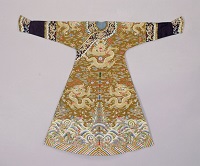
8.Beijing Embroidery (京繡): Also known as Court Embroidery (宮廷繡)or Imperial Embroidery (宮繡), this form of needlework was historically reserved for the garments of emperors, empresses, and nobility. Its hallmark lies in the meticulous selection of materials, predominantly high-grade silk fabrics, and the use of fine silk threads or gold and silver threads. The stitching is remarkably precise and dense, resulting in opulent and visually stunning patterns that embody distinctive imperial artistry.
The Genesis of the “Eight Imperial Handicrafts of Beijing”
The formation of the “Eight Imperial Handicrafts of Beijing” (燕京八絕) is inextricably linked to Beijing’s historical status as the capital for numerous dynasties, particularly its close association with imperial demands and artisanal development during the Ming and Qing periods.
– Imperial Patronage and Artisanal Concentration
Beijing has historically served as a central hub for politics and culture. To meet the needs of court life and ceremonial rituals, successive emperors established specialised manufacturing agencies within the palace. For instance, the Directorate of Imperial Manufactories (御用監) within the Ming Dynasty’s “Twenty-Four Yamen,” and the Imperial Household Department’s Workshops (清宮內務府造辦處), established in the early Qing Kangxi reign, recruited the nation’s most skilled artisans. These craftsmen, drawn from across the country, converged in the imperial court, pooling the finest folk craft techniques. Through mutual learning and adaptation, they collectively forged unique styles of court art.
– Formation of the “Jing Zuo” Style
Under the rigorous demands and substantial financial backing of the imperial court, these handicrafts attained exceptionally high standards in material selection, design, and execution. This rigorous environment fostered the gradual emergence of the “Jing Zuo” (京作) artistic style, primarily characterised by its opulence, meticulous detail, and sophisticated elegance.
– Post-Imperial Transmission and Development
Following the collapse of the Qing Dynasty, the artisans who had worked in the imperial workshops dispersed into the wider populace. To earn a living, they carried their refined skills into the civilian sector, establishing private workshops. This enabled the continued inheritance and evolution of these traditional crafts. Over time, these techniques gained significant prominence within the Beijing region and became collectively known as the “Eight Imperial Handicrafts of Beijing.”
– Modern Preservation and Legacy
After the founding of the People’s Republic of China in 1949, concerted efforts were made to preserve and promote these invaluable intangible cultural heritage assets. The Beijing municipal government progressively re-established various related workshops, consolidating them into entities such as the Beijing Gold Lacquer Inlaid Factory and the Beijing Enamel Factory. This ensured the continuity of these masterful skills. Today, all of the “Eight Imperial Handicrafts of Beijing” have been inscribed onto the National List of Intangible Cultural Heritage, affording them comprehensive protection and promotion.
In essence, the “Eight Imperial Handicrafts of Beijing” stand as pre-eminent exemplars of traditional Chinese craftsmanship. They not only embody the wisdom and dedication of ancient artisans but also bear witness to Beijing’s distinguished history as a renowned cultural capital.
— The Founders of Sonja T. Jewellery